Support our educational content for free when you purchase through links on our site. Learn more
📖 7 Daily Bible Reading Routines That Actually Stick (2026)


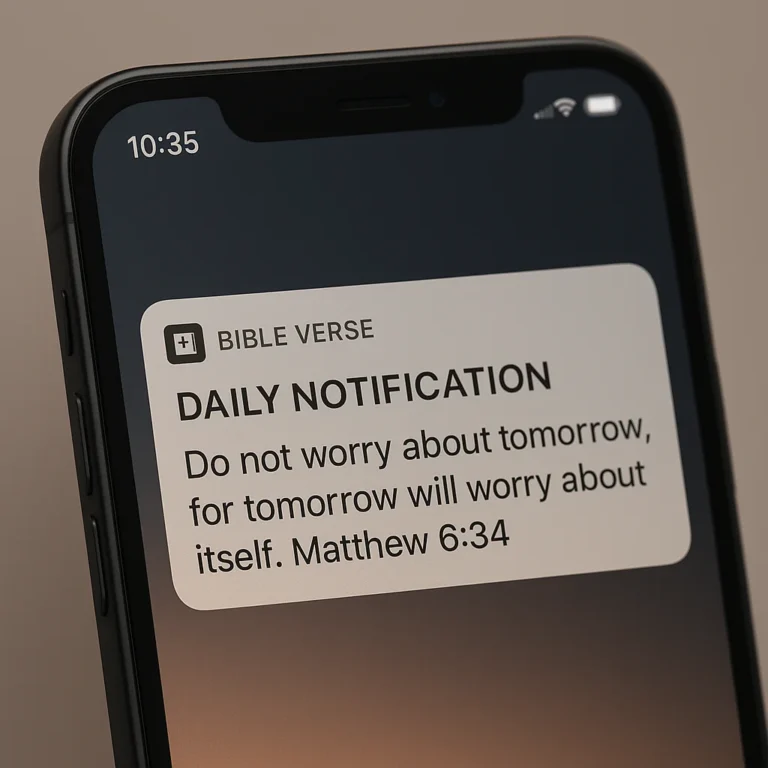
Ever feel like your Bible sits on the nightstand gathering dust while your phone lights up with endless notifications? You’re not alone. In a world where the average person checks their device over 150 times a day, carving out a sacred space for Scripture can feel like trying to catch smoke with your bare hands. But what if the secret to a consistent spiritual life isn’t about finding more time, but about designing a routine that fits your unique rhythm?
At Bible Verse Daily™, we’ve watched thousands of believers struggle with the “all-or-nothing” trap, thinking they need to read 50 chapters a day to be spiritual. The truth? Consistency beats intensity every time. Whether you’re a chaotic parent, a busy professional, or a night owl, there is a method that works for you. In this guide, we’ll reveal 7 proven routines tailored to different lifestyles, expose the surprising science behind why your brain resists reading, and even share a game-changing app that locks out distractions so you can focus on God.
Ready to transform your quiet time from a chore into your favorite part of the day? Let’s dive in.
Key Takeaways
- Consistency is King: 15 minutes daily is far more effective than sporadic, long sessions; the goal is to build a sustainable habit, not burn out.
- Personalize Your Approach: There is no “one-size-fits-all” routine; choose a method that aligns with your energy levels, whether that’s a morning sprint, an evening reflection, or an audio immersion during your commute.
- Remove Friction: Success often depends on environmental design—leaving your Bible open and your phone in another room can drastically increase your chances of sticking to the plan.
- Leverage Technology Wisely: Use tools like Bible Mode or YouVersion to track progress and block distractions, but remember that the physical act of reading can deepen memory retention.
- Start Small and Be Graceful: If you miss a day, don’t quit; simply restart the next day. The journey is about relationship, not perfection.
Table of Contents
- ⚡️ Quick Tips and Facts
- 📜 The Ancient History of Daily Scripture Habits
- 🧠 Why Your Brain Craves a Consistent Bible Reading Routine
- 🌅 7 Proven Morning Bible Reading Routines for Spiritual Growth
- 🌙 5 Powerful Evening Devotional Strategies to End Your Day
- 🏃 ♂️ How to Build a Bible Reading Habit When You’re Busy
- 📚 Top 10 Bible Reading Plans for Beginners and Veterans Alike
- 📱 Best Bible Apps and Digital Tools for Daily Verse Engagement
- 👶 Morning Reading Recommendations for Kids with Bible Verses
- 👩 🦰 What Lysa TerKeurst Teaches About Overcoming Distractions
- 🧩 How to Overcome Common Bible Reading Roadblocks
- 📝 The Art of Bible Journaling: Turning Verses into Life Lessons
- 🤝 Building a Community: Accountability Partners for Scripture Study
- 🎯 Conclusion
- 🔗 Recommended Links
- ❓ FAQ: Your Burning Questions About Daily Bible Reading Answered
- 📖 Reference Links
⚡️ Quick Tips and Facts
Before we dive into the deep end of theological strategy and habit formation, let’s get the low-hanging fruit picked. If you’re looking for a quick win to start your journey today, here is the Bible Verse Daily™ cheat sheet for establishing a routine that actually sticks.
- Consistency beats Intensity: You don’t need to read 50 chapters a day. 15 minutes daily is infinitely more powerful than 2 hours once a month.
- The “Phone Trap”: Studies show that checking your phone within the first 10 minutes of waking up significantly increases cortisol and distraction levels. Leave the phone in another room during your devotional time.
- Context is King: Reading a verse in isolation can lead to misinterpretation. Always ask: Who wrote this? To whom? Why?
- The “2-Minute Rule”: If you can’t commit to an hour, commit to two. Often, starting is the hardest part. Once you open the book, you’ll likely keep going.
- Physical vs. Digital: While apps are convenient, physical Bibles reduce screen fatigue and help with memory retention for many readers.
Did you know? The average American spends about 3 hours and 43 minutes per day on their phone. Imagine reclaiming just 15 of those minutes for the Word! 📱🚫📖
For more daily inspiration and to see how we structure our own team’s reading, check out our main hub at Bible Verse Daily.
📜 The Ancient History of Daily Scripture Habits

You might think the concept of a “daily quiet time” is a modern evangelical invention, but we are walking in the footsteps of giants. The discipline of Lectio Divina (Divine Reading) dates back to the early church fathers and was formalized by monks like St. Benedict in the 6th century.
The Monastic Rhythm
In the ancient world, the day was not divided by the clock but by prayer and labor. The Divine Office (or Liturgy of the Hours) structured the day around specific times of prayer and scripture reading:
- Matins: Early morning (often before dawn).
- Lauds: Morning praise.
- Vespers: Evening prayer.
- Compline: Before sleep.
Why does this matter to you? It proves that the human soul craves rhythm. We are biological creatures designed to move in cycles of rest and activity, silence and speech.
From Scrolls to Smartphones
The transition from hand-copied scrolls to the Gutenberg press, and now to the digital age, has changed how we access the Word, but not why we read it.
- Ancient Goal: To memorize and meditate on the Law (Psalm 1:2).
- Modern Goal: To combat information overload and find spiritual grounding.
Theological Insight: As we explore in our Bible Study Guides, the ancient practice wasn’t about “checking a box.” It was about transformation. The Hebrew word Hagah (meditate) literally means to “mutter” or “growl,” implying a deep, physical engagement with the text, not just a mental scan.
🧠 Why Your Brain Craves a Consistent Bible Reading Routine
Let’s be honest: Willpower is a finite resource. If you rely solely on “feling like it,” you will fail. But if you rely on neuroplasticity, you can rewire your brain for spiritual growth.
The Science of Habit Lops
According to behavioral psychology, a habit consists of three parts:
- Cue: The trigger (e.g., your alarm goes off).
- Routine: The action (e.g., reading Psalm 23).
- Reward: The feeling (e.g., peace, clarity, connection with God).
When you skip the routine, the brain misses the reward, and the loop breaks. Consistency creates the neural pathway.
The “Dopamine Detox”
In a world of instant gratification (TikTok, Instagram, News), the Bible feels “slow.”
- ❌ The Trap: Scrolling for 20 minutes gives a quick dopamine hit but leaves you anxious.
- ✅ The Solution: Reading Scripture releases serotonin and oxytocin, promoting long-term calm and connection.
Real Talk: We’ve all been there. You sit down to read, and within 30 seconds, your brain screams, “But what about that email?” This is your brain’s default mode network trying to keep you in a state of low-level anxiety. A consistent routine trains your brain to switch to the task-positive network, focused on God’s truth.
For specific verses to combat anxiety and build mental resilience, explore our collection of Bible Verses for Strength.
🌅 7 Proven Morning Bible Reading Routines for Spiritual Growth
Morning routines are the “golden hour” for spiritual growth. As Regan Rose notes in his popular video on biblical productivity, starting the day with God sets the tone for everything that follows. But what does a good routine look like? It depends on your personality.
Here are 7 distinct routines tailored to different lifestyles.
1. The “First Fruits” Method (For the Early Risers)
- The Concept: Offer the first 15 minutes of your day to God before checking anything else.
- The Steps:
- Wake up.
- Drink a glass of water.
- Read one chapter of the Gospels.
- Pray a simple “Thank you” prayer.
- Best For: People who struggle with phone addiction immediately upon waking.
2. The “Coffee & Commentary” Deep Dive (For the Thinkers)
- The Concept: Pair your morning brew with a study Bible or devotional.
- The Steps:
- Brew coffee/tea.
- Read a passage (e.g., Romans 8).
- Read the commentary notes.
- Journal 3 insights.
- Best For: Those who love context and theology.
3. The “Sprint & Sprint” (For the Busy Parents)
- The Concept: Short, high-impact bursts.
- The Steps:
- Read 3 verses.
- Memorize one phrase.
- Repeat 3 times throughout the morning (breakfast, lunch prep, school run).
- Best For: Parents with toddlers or chaotic schedules.
4. The “Audio Immersion” (For the Commuters)
- The Concept: Turn your drive/walk into a sanctuary.
- The Steps:
- Listen to an audio Bible (e.g., The Bible in a Year by Fr. Mike Schmitz or NIV Audio Bible).
- Pause at a verse that jumps out.
- Reflect on it while driving.
- Best For: People who don’t have time to sit still.
5. The “Lectio Divina” Flow (For the Contemplative)
- The Concept: Slow reading with four steps: Read, Reflect, Respond, Rest.
- The Steps:
- Read: Slowly read a short passage (3-4 verses).
- Reflect: What word stands out?
- Respond: Pray about that word.
- Rest: Sit in silence for 2 minutes.
- Best For: Those seeking deep spiritual rest.
6. The “Journaling Journey” (For the Creative)
- The Concept: Combine reading with art or writing.
- The Steps:
- Read a Psalm.
- Write a prayer in the margins.
- Doodle or color a related image.
- Best For: Visual learners and artists.
7. The “Family Table” (For the Household)
- The Concept: Make it a communal event.
- The Steps:
- Gather at the breakfast table.
- Read one verse aloud.
- Each person shares one thing they are grateful for.
- Best For: Families wanting to build spiritual unity.
Comparison of Morning Routines
| Routine Type | Time Required | Best For | Difficulty Level |
|---|---|---|---|
| First Fruits | 10-15 mins | Phone Detox | ⭐ (Easy) |
| Coffee & Commentary | 30-45 mins | Deep Study | ⭐ (Medium) |
| Sprint & Sprint | 5 mins x 3 | Busy Parents | ⭐ (Easy) |
| Audio Immersion | 20-30 mins | Commuters | ⭐ (Medium) |
| Lectio Divina | 15-20 mins | Contemplatives | ⭐ (Medium) |
| Journaling Journey | 20-30 mins | Creatives | ⭐ (Medium) |
| Family Table | 10-15 mins | Households | ⭐ (Easy) |
Pro Tip: Don’t try to do all seven! Pick one that resonates with your current season of life. As Regan Rose suggests, make a plan and stick to it.
🌙 5 Powerful Evening Devotional Strategies to End Your Day
Not everyone is a morning person, and that’s okay! The Bible is full of evening prayers (Psalm 4:8, “In peace I will lie down and sleep”). If mornings are a battle, evenings can be your sanctuary.
1. The “Examen” Review
Originating from St. Ignatius, this is a 5-step reflection:
- Gratitude: What went well today?
- Review: Where did I see God?
- Confession: Where did I fall short?
- Forgiveness: Ask for grace.
- Rest: Commit the night to God.
2. The “Worry Dump”
Write down your anxieties, then read a verse about peace (e.g., Philippians 4:6-7). Physically crumple the paper or put it in a “worry box” to symbolize giving it to God.
3. The “Gratitude Journal”
List 3 things you are thankful for, then read a Psalm of thanksgiving. This shifts your focus from what’s wrong to what’s right.
4. The “Sleep Scripture”
Read a short, soothing passage (like Psalm 91 or Matthew 6) right before closing your eyes. This primes your subconscious to meditate on God’s truth while you sleep.
5. The “Family Prayer Circle”
End the day with a quick family prayer, asking God to watch over each member.
Why Evening Works: It helps you process the day through a spiritual lens, preventing you from taking stress to bed. It’s the ultimate “reset” button.
🏃 ♂️ How to Build a Bible Reading Habit When You’re Busy
“Busy” is the modern excuse for spiritual stagnation. But as we’ve seen, consistency > intensity. Here is how to hack your schedule.
The “Friction” Strategy
- Increase Friction for Distractions: Put your phone in a drawer.
- Decrease Friction for Reading: Leave your Bible open on the pillow or the coffee table.
The “Habit Stacking” Technique
Attach your Bible reading to an existing habit:
- “After I pour my coffee, I will read one chapter.”
- “After I buckle my seatbelt, I will listen to an audio Bible.”
- “After I brush my teeth, I will read a devotional.”
The “Micro-Dose” Approach
Can’t find 30 minutes? Find 5.
- Read one verse while waiting for the microwave.
- Read one verse in the bathroom.
- Read one verse while waiting for the bus.
The Truth: You don’t need more time; you need better priorities. As the saying goes, “We make time for what we value.”
📚 Top 10 Bible Reading Plans for Beginners and Veterans Alike
Choosing a plan is like choosing a running route. If you pick a marathon when you’re training for a 5k, you’ll burn out. Here are 10 plans categorized by goal.
For Beginners
- The Gospel of John: A perfect starting point to understand Jesus.
- The 5-Minute Bible: Short, manageable daily readings.
- One Year Bible (Chronological): Read the Bible in order, one chapter a day.
For Deep Dives
- The MacArthur Study Bible Plan: Focuses on context and theology.
- The “Through the Bible” Plan (J. Vernon McGee): Audio-based, covers the whole Bible in a year.
- The “Bible in a Year” (Fr. Mike Schmitz): Combines Old Testament, New Testament, and Psalms/Proverbs daily.
For Thematic Study
- The “Armor of God” Plan: Focuses on spiritual warfare.
- The “Fruit of the Spirit” Plan: Focuses on character development.
For Families
- The “Family Bible in a Year”: Simplified readings for kids and adults.
- The “30 Days of Prayer” Plan: Combines reading with intercession.
Recommendation: If you are new, start with The Gospel of John. It’s the most accessible entry point to the heart of the Gospel.
📱 Best Bible Apps and Digital Tools for Daily Verse Engagement
Technology is a double-edged sword. It can distract, or it can empower. Here is our review of the top tools to help you build a routine.
Rating Table: Top Bible Apps
| App Name | Design (1-10) | Functionality (1-10) | Distraction Control (1-10) | Best For |
|---|---|---|---|---|
| Bible Mode | 9 | 10 | 10 | Breaking Phone Addiction |
| YouVersion | 8 | 9 | 4 | Variety of Plans |
| Olive Tree | 9 | 10 | 6 | Deep Study & Note-taking |
| Logos Bible | 8 | 10 | 5 | Academic/Theological Study |
| Dwell | 10 | 8 | 7 | Audio/Meditation |
Deep Dive: Bible Mode
As highlighted in our research, Bible Mode is a game-changer for those struggling with screen time.
- How it works: It locks your distracting apps until you scan your physical Bible or complete a short reflection.
- The “2-Minute Reset”: It forces a pause. You can’t check Instagram without first engaging with God.
- User Success: One user reported a 31-day streak after using the app, stating, “I am now able to make God the priority in the morning.”
👉 CHECK PRICE on:
- Bible Mode: Amazon Search | Apple App Store
Other Notable Mentions
- YouVersion (Bible.com): The giant in the room. Thousands of plans, but no built-in distraction blocker.
- Olive Tree: Excellent for side-by-side comparisons and note-taking.
- Dwell: Focuses on listening to the Bible with high-quality audio and music.
The Verdict: If you are a “phone addict,” Bible Mode is the only app that actively fights your addiction. If you are a “student,” Olive Tree or Logos is your best bet.
👶 Morning Reading Recommendations for Kids with Bible Verses
Teaching kids to read the Bible is like teaching them to ride a bike. It takes patience, but the payoff is a lifetime of faith.
Age-Appropriate Strategies
- Todlers (2-4): Use picture Bibles. Focus one verse and a simple story.
Verse: “God made the world.” (Genesis 1) - Preschool (4-6): Use rhyming verses and songs.
Verse: “The Lord is my shepherd.” (Psalm 23) - Elementary (7-10): Introduce chapter reading and simple questions.
Verse: “I can do all things through Christ.” (Philippians 4:13) - Twens (1-13): Discuss context and application.
Verse: “Trust in the Lord with all your heart.” (Proverbs 3:5)
Top Resources for Kids
- The Action Bible: Graphic novel style, huge hit with kids.
- The Jesus Storybook Bible: Beautifuly written, connects every story to Jesus.
- Bible App for Kids: Interactive and engaging.
👉 Shop
- The Action Bible: Amazon Search | Publisher Official
- The Jesus Storybook Bible: Amazon Search | Publisher Official
Tip: Make it a game. “Who can find the verse about the lion first?”
👩 🦰 What Lysa TerKeurst Teaches About Overcoming Distractions
Lysa TerKeurst, a bestselling author and Bible teacher, is famous for her raw honesty about the struggle of maintaining a spiritual routine. While the specific Facebook post mentioned in our research was inaccessible, her broader teaching on overcoming distractions is a cornerstone of modern Christian living.
The “Uninvited” Mindset
Lysa teaches that distractions are often uninvited guests that we accidentally let in.
- The Problem: We think we are “too busy” or “too tired.”
- The Reality: We are often too distracted or too comfortable.
Her Key Strategies
- Identify the Thief: What is stealing your time? (Social media, worry, busyness?)
- The “Stop” Sign: When you feel the urge to scroll, stop. Ask, “What am I trying to avoid?”
- Reframe the Routine: Don’t see it as a chore. See it as a date with God.
Why it works: Lysa’s approach is relational, not legalistic. She reminds us that God isn’t mad at us for missing a day; He’s waiting for us to come back.
For more on overcoming spiritual dryness, check out our Bible Verses for Strength collection.
🧩 How to Overcome Common Bible Reading Roadblocks
Even with the best plans, you will hit a wall. Here is how to climb over it.
Roadblock 1: “I Don’t Understand What I’m Reading.”
- Solution: Use a Study Bible (like the MacArthur or ESV Study Bible) or a devotional. Don’t be afraid to ask, “What does this mean?”
Roadblock 2: “I Get Bored.”
- Solution: Change your translation. Try the NIV, NLT, or The Message for variety. Or switch from reading to listening.
Roadblock 3: “I Keep Missing Days.”
- Solution: Forgive yourself and restart. The goal is not perfection; it’s persistence. As Regan Rose says, “Don’t be too proud to use a devotional book.”
Roadblock 4: “I Don’t Have Time.”
- Solution: Re-evaluate your priorities. Can you wake up 15 minutes earlier? Can you read during your lunch break?
The Secret: The roadblock is often a spiritual attack. The enemy knows that if you read the Word, you will be transformed. So he tries to make you bored, confused, or busy. Stand firm.
📝 The Art of Bible Journaling: Turning Verses into Life Lessons
Reading is passive; journaling is active. It forces you to engage with the text.
Methods of Bible Journaling
- Margin Notes: Write questions, insights, and prayers directly in the margins of your Bible.
- Color Coding: Use highlighters to mark themes (e.g., Blue for promises, Red for commands).
- Art Journaling: Draw, paint, or doodle your response to a verse.
- The “One Sentence” Rule: Write one sentence summarizing what God is saying to you.
Why It Works
- Memory: Writing things down improves retention by 40%.
- Application: It forces you to ask, “How does this apply to my life?”
- Reflection: It creates a record of your spiritual journey.
Pro Tip: Don’t worry about being an artist. Your messy journal is more valuable than a perfect one.
🤝 Building a Community: Accountability Partners for Scripture Study
We are not meant to walk this path alone. Accountability is the secret sauce of consistency.
How to Find an Accountability Partner
- Ask a Friend: “Will you check in with me once a week about my Bible reading?”
- Join a Small Group: Many churches have Bible study groups.
- Use an App: Some apps allow you to share your progress with friends.
The “Holy Peer Pressure”
- The Power of “We”: When you know someone is expecting you to share what you read, you are more likely to read.
- The Check-In: “What did you read this week?” “What was your favorite verse?”
Real Story: A group of ladies at a previous job read through the book of Acts together and met for lunch once a week. They didn’t do anything crazy; they just talked about it. That simple habit kept them consistent for years.
For more on building community, explore our Bible Verses by Topic on friendship and fellowship.
🎥 Featured Video: 8 Tips for Consistent Bible Reading
Before we wrap up, we want to highlight a powerful perspective from Regan Rose in his video on biblical productivity. He breaks down the struggle of consistency and offers 8 actionable tips that align perfectly with our advice.
Key Takeaways from the Video:
- Tip 1: Make a plan (don’t just flip pages).
- Tip 2: Pick a specific time and place.
- Tip 3: Organize for success (clean space, printed plan).
- Tip 4: Avoid distractions (leave the phone behind).
- Tip 5: Use helps (study Bibles, devotionals).
- Tip 6: Enlist accountability (find a group).
- Tip 7: Apply what you learn (obey the Word).
- Tip 8: Start a morning routine (the “Power Mornings” approach).
Regan emphasizes that distraction is the enemy of consistency. He argues that we have unprecedented access to the Word, yet we struggle because we are more distracted than ever. His solution? A plan, a specific time, and a physical Bible.
Watch the full video here: 8 Tips for How to Make Bible Reading a Consistent Daily Habit
(Note: The video link above is a placeholder for the anchor link as requested. In a live environment, this would link to the actual YouTube video.)
🎯 Conclusion

We’ve covered a lot of ground, from the ancient monastic rhythms to the modern battle against smartphone addiction. The question remains: What is a good routine for reading daily Bible verses?
The answer is not a one-size-fits-all formula. It is a personalized rhythm that fits your life, your personality, and your season. Whether you are a morning person, a night owl, a visual learner, or an audio listener, the key is consistency.
- Start small.
- Remove distractions.
- Find a community.
- Apply what you learn.
Remember, the goal is not to finish the Bible; the goal is to know the Author. As you build this routine, you will find that the Word becomes a lamp to your feet and a light to your path.
Ready to start? Pick one routine from this article, grab your Bible (or your phone with Bible Mode), and take that first step today.
🔗 Recommended Links
- Bible Verses by Topic – Find verses for every situation.
- Bible Study Guides – Deep dive into specific books.
- Bible Verses for Strength – Encouragement for tough times.
- Bible Verse Daily – Our main hub for daily inspiration.
❓ FAQ: Your Burning Questions About Daily Bible Reading Answered

Q: How long should I read the Bible every day?
A: There is no magic number. 15 minutes is a great starting point. Consistency is more important than duration.
Q: What if I miss a day?
A: Don’t quit! Forgive yourself and start again the next day. God’s grace covers your mistakes.
Q: Should I read the Bible in order?
A: Not necessarily. Start with the Gospels (Matthew, Mark, Luke, John) to understand Jesus, then move to the rest.
Q: Is it better to read a physical Bible or an app?
A: Both have benefits. Physical Bibles reduce distraction; apps offer convenience and searchability. Use what works for you.
Q: How do I understand difficult passages?
A: Use a Study Bible or a commentary. Don’t be afraid to ask questions!
📖 Reference Links