Support our educational content for free when you purchase through links on our site. Learn more
31 Daily Bible Verses for Reflection Journaling ✍️

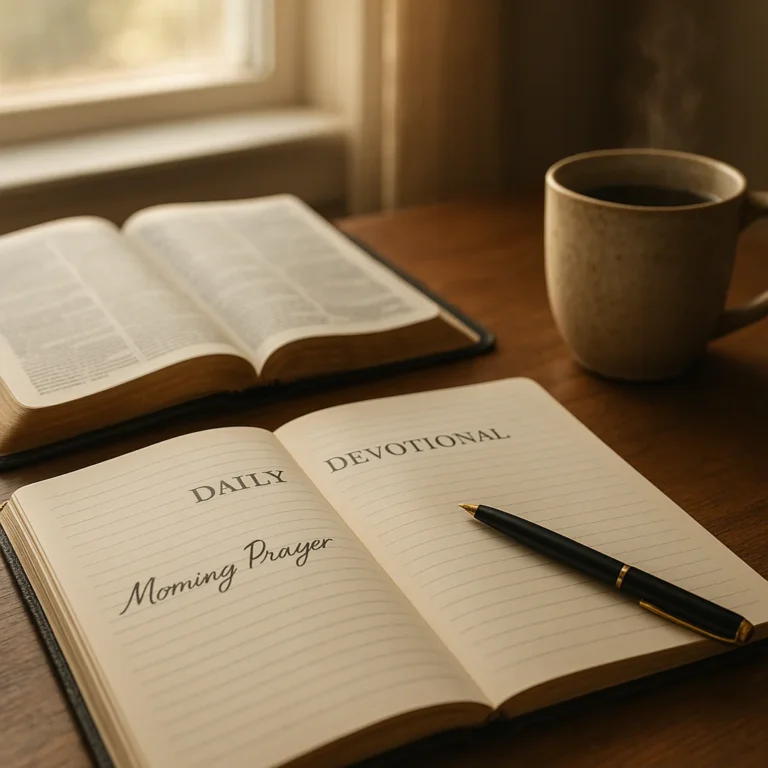
The best daily Bible verse for reflection journaling is one you read in context, respond to honestly, and practice before the day ends. Start with a single passage, write one observation, pray specifically, and choose one small action rather than trying to fill pages with spiritual-sounding sentences.
A journal does not need expensive paper, artistic lettering, or a perfect morning routine. A plain notebook and five attentive minutes can turn Psalm 23 into a prayer for rest, James 1 into a search for wisdom, or Philippians 4 into a concrete response to anxiety.
One of our writers once began journaling with color-coded pens, a lengthy devotional plan, and heroic ambitions. By the end of the week, the pens were beautifully organized—but the journal was untouched. The habit finally lasted when the routine became simpler: one verse, one honest thought, one prayer, and one faithful next step.
Key Takeaways
- Read beyond the isolated verse: Check the surrounding paragraph, historical setting, and literary genre.
- Use a simple four-step rhythm: Read, reflect, pray, and act.
- Choose verses for your season: Explore Scripture for anxiety, grief, courage, gratitude, wisdom, and hope.
- Write honestly, not impressively: A sincere three-sentence entry is better than a decorative blank page.
- Try a 31-day plan: Psalm 23, Proverbs 3:5–6, Matthew 11:28–30, Philippians 4:6–9, James 1:2–5, and Revelation 21:1–5 offer a balanced starting point.
- Use creative tools wisely: Color coding, verse mapping, audio Bibles, and digital apps can help, but they should serve Scripture rather than distract from it.
- Return without shame: Missing a day is not failure. Begin again with grace.
Table of Contents
- ⚡️ Quick Tips and Facts for Daily Bible Verse Reflection Journaling
- 📖 Biblical Roots and History of Reflective Scripture Journaling
- 📝 What Is a Daily Bible Verse for Reflection Journaling?
- Bible Journaling vs. Scripture Meditation vs. Devotional Writing
- How Reflection Journaling Supports Prayer and Spiritual Growth
- ✅ Benefits of Writing About One Bible Verse Each Day
- Emotional Wellness, Gratitude, and Peace
- Building Biblical Literacy and Faith Habits
- Discernment, Encouragement, and Personal Application
- 🧰 Choosing a Bible Translation, Journal, and Study Tools
- Best Bible Versions for Reflection and Journaling
- Paper Journals, Guided Devotionals, and Digital Notes
- Helpful Bible Apps and Online Study Resources
- 🌅 How to Create a Daily Bible Verse Journaling Routine
- Finding the Right Time and Quiet Place
- A Simple Five-Step Scripture Reflection Method
- How Long Should Daily Bible Journaling Take?
- What to Do When You Miss a Day
- 🔍 How to Choose a Bible Verse for Daily Reflection
- Following a Reading Plan or the Church Calendar
- Selecting Verses for Anxiety, Grief, Hope, and Guidance
- Reading Scripture in Context
- Avoiding Out-of-Context Bible Verse Interpretation
- 🌿 31 Daily Bible Verses for Reflection Journaling
- 1. Psalm 23:1–3 for Rest and Renewal
- 2. Proverbs 3:5–6 for Trusting God
- 3. Isaiah 41:10 for Courage
- 4. Matthew 6:25–34 for Releasing Anxiety
- 5. Matthew 11:28–30 for Rest
- 6. John 15:1–5 for Abiding in Christ
- 7. Romans 8:28 for Hope in Hardship
- 8. Romans 12:1–2 for Renewal of the Mind
- 9. 1 Corinthians 13:4–7 for Love
- 10. 2 Corinthians 12:9 for Strength in Weakness
- 11. Galatians 5:22–23 for the Fruit of the Spirit
- 12. Ephesians 2:10 for Purpose
- 13. Ephesians 6:10–18 for Spiritual Resilience
- 14. Philippians 4:4–9 for Peace
- 15. Philippians 4:13 for Perseverance
- 16. Colossians 3:12–17 for Christlike Character
- 17. 1 Thessalonians 5:16–18 for Gratitude
- 18. 2 Timothy 1:7 for Confidence
- 19. Hebrews 4:14–16 for Mercy
- 20. Hebrews 11:1 for Faith
- 21. James 1:2–5 for Wisdom During Trials
- 22. 1 Peter 5:7 for Giving God Your Worries
- 23. 1 John 4:7–12 for God’s Love
- 24. Micah 6:8 for Faith in Action
- 25. Joshua 1:9 for Boldness
- 26. Lamentations 3:22–24 for New Mercies
- 27. Psalm 46:1–3 for Security
- 28. Psalm 119:105 for Direction
- 29. Ecclesiastes 3:1–8 for Life’s Seasons
- 30. Jeremiah 29:11–13 for Hope and Seeking God
- 31. Revelation 21:1–5 for Future Hope
- 💭 Reflection Questions for Every Daily Bible Verse
- Observation: What Does the Passage Say?
- Interpretation: What Did It Mean to the Original Audience?
- Application: What Is God Inviting Me to Do?
- Prayer: How Can I Respond to This Scripture?
- Gratitude: What Can I Thank God For Today?
- ✍️ Daily Scripture Journal Prompts for Deper Reflection
- Prompts for Personal Growth and Self-Examination
- Prompts for Relationships and Forgiveness
- Prompts for Work, Decisions, and Calling
- Prompts for Suffering, Doubt, and Waiting
- Prompts for Praise, Worship, and Thankfulness
- 🎨 Creative Bible Journaling Ideas
- Verse Mapping and Keyword Study
- Lettering, Color Coding, and Scripture Art
- Prayer Tracking and Answered-Prayer Logs
- Using Index Cards, Sticky Notes, and Commonplace Books
- Digital Bible Journaling With Notes and Voice Memos
- 👨 👩 👧 👦 Bible Verse Reflection for Families, Groups, and Students
- Family Devotions and Children’s Scripture Journals
- Small-Group Bible Study Discussion Questions
- Teen and College Student Journaling Ideas
- Accessible Reflection Practices for Different Abilities
- ⚠️ Common Bible Journaling Mistakes and How to Avoid Them
- Turning Reflection Into a Performance
- Choosing Verses Only for Comfort
- Confusing Personal Feelings With Biblical Meaning
- Leting Missed Days Create Shame
- 📅 Building a 7-Day, 30-Day, or Yearlong Scripture Journaling Plan
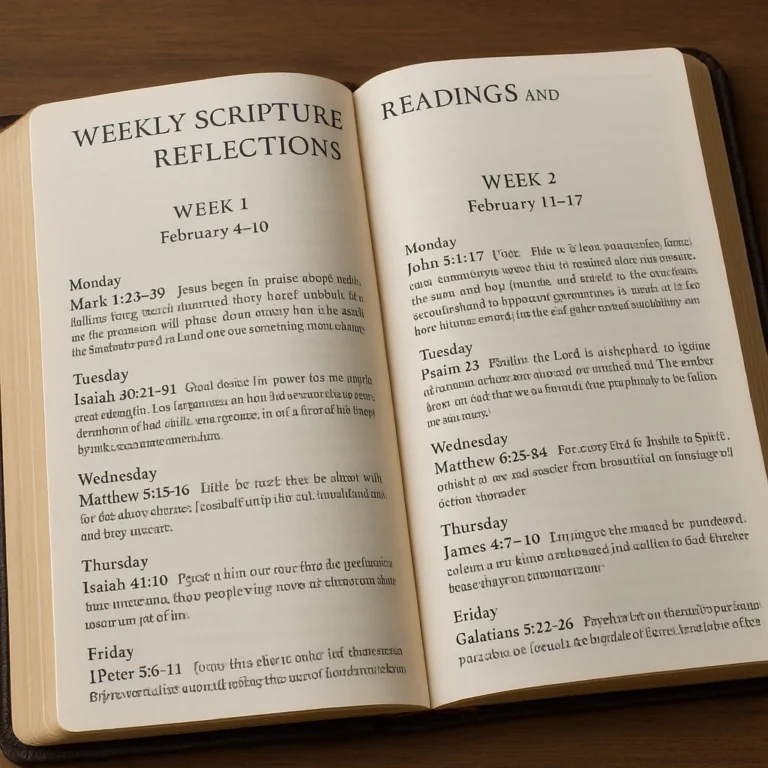
- A One-Week Bible Reflection Challenge
- A 30-Day Daily Bible Verse Journal Plan
- A 365-Day Scripture Reflection Strategy
- Tracking Consistency Without Losing Joy
- 📱 Privacy, Personal Data, and Digital Bible Journal Apps
- What Bible Apps May Collect
- Data Used to Track You
- Data Linked to You
- Data Not Linked to You
- Privacy Questions to Ask Before Choosing an App
- ⭐ Comparing Bible Journaling Methods and Resources
- Guided Journals vs. Blank Notebooks
- Print Devotionals vs. Bible Apps
- Catholic, Protestant, and Ecumenical Reflection Resources
- What Makes a Scripture Journal Worth Using?
- 🧠 Expert Tips for Meaningful Scripture Meditation
- Lectio Divina and Slow Reading
- SOAP, ACTS, and Other Bible Study Frameworks
- When to Consult a Study Bible or Trusted Commentary
- Balancing Personal Reflection With Christian Community
- 🙋 Frequently Asked Questions About Daily Bible Verse Reflection Journaling
- 🏁 Conclusion
- 🔗 Recommended Links
- ❓ FAQ
- 📚 Reference Links
⚡️ Quick Tips and Facts for Daily Bible Verse Reflection Journaling
Bible Verse Daily™’s daily Bible verse guide makes a helpful starting point, but the real transformation happens when you slow down, read carefully, and respond honestly. A verse copied into a notebook is Scripture. A verse prayed, examined, and practiced becomes a daily meeting place with God.
Quick-start method
Use this five-minute rhythm:
- Read one verse slowly two or three times.
- Notice a repeated word, command, promise, question, or contrast.
- Reflect on what the passage reveals about God, yourself, or other people.
- Respond with a prayer, confession, question, or thank-you.
- Act one small truth before the day ends.
The American Bible Society similarly encourages readers to consider biblical context rather than treating isolated sentences like inspirational fortune cookies. That distinction matters. A verse can comfort you without being bent into whatever message you hoped it would say.
Fast facts at a glance
| Question | Practical answer |
|---|---|
| How much should I write? | Three to ten sentences is enough. A paragraph beats a decorative blank page. |
| How long should reflection take? | Start with 5–15 minutes. Longer is welcome, but consistency matters more than length. |
| Must I use a special journal? | ❌ No. A notebook, notes app, or Bible app works. |
| Should I journal in the Bible itself? | ✅ You can, if that feels natural. A separate journal offers more writing space and privacy. |
| Should I read the whole chapter? | ✅ Usually. At minimum, read the surrounding paragraph. |
| What if the verse feels confusing? | Record the question and consult a reliable study Bible or commentary. Confusion is not failure; it is an invitation to investigate. |
| What if I miss a day? | Start again without self-punishment. Grace does not require a perfect attendance certificate. |
Three rules we recommend
- Context before comfort: Read who is speaking, to whom, and why.
- Application before decoration: Washi tape is delightful; obedience is more durable.
- Honesty before performance: Write what is actually happening in your heart, not what sounds spiritually impressive.
A personal example: one of our writers once began a “perfect” morning journal routine with color-coded pens, a carefully chosen playlist, and an ambitious four-page template. By day six, the pens were still organized, but the journal was not being used. The routine became workable only after reducing it to one verse, one observation, and one prayer. The moral? Your journal needs to serve your relationship with God, not audition for a stationery catalog.
📖 Biblical Roots and History of Reflective Scripture Journaling

The modern Bible journal may feature tabs, brush lettering, and a suspiciously large sticker collection, but its foundation is much older: remembering, meditating on, reciting, and responding to God’s Word.
Scripture reflection in the Bible
Several biblical passages describe practices that resemble reflective journaling:
- Psalm 1:1–3 portrays the faithful person as one who meditates on God’s instruction “day and night.”
- Deuteronomy 6:6–9 encourages God’s words to be kept on the heart and discussed throughout ordinary life.
- Psalm 119:105 compares God’s word to a lamp and a light.
- Luke 2:19 describes Mary treasuring and pondering events in her heart.
- Philippians 4:8 calls believers to dwell on what is true, honorable, just, pure, lovely, and commendable.
The Bible does not prescribe a particular notebook size or pen color. It does, however, repeatedly commend attentive remembrance and faithful practice.
From memorization to commonplace books
Before smartphones, Christians used personal notebooks, sermon notes, prayer diaries, and commonplace books to preserve meaningful passages. The practice was not merely collecting quotations. It was a way to revisit wisdom when life became noisy.
The ancient Christian method of lectio divina, commonly described through reading, meditation, prayer, and contemplation, gives modern journaling a sturdy framework. Pope Benedict XVI explained that this prayerful reading allows Scripture to become a conversation rather than a detached academic exercise.
Modern Bible journaling
Today, Bible reflection appears in several forms:
| Tradition | Typical emphasis | Useful journaling approach |
|---|---|---|
| Evangelical devotional reading | Personal application and prayer | SOAP or verse-and-response |
| Catholic lectio divina | Prayerful reading and contemplation | Read, meditate, pray, rest |
| Anglican daily office | Scripture within a structured prayer rhythm | Record a phrase and prayer |
| Orthodox spiritual reading | Reverent repetition and formation | Copy a passage and sit with it |
| Ecumenical study | Shared biblical understanding | Observation, context, discussion |
These traditions differ in language and emphasis, but they share a core conviction: Scripture deserves time, attention, and a life-shaped response.
📝 What Is a Daily Bible Verse for Reflection Journaling?
A daily Bible verse for reflection journaling is a selected passage used as the focus of prayerful reading, personal examination, and practical response. It may be one verse, a short paragraph, or a longer reading from a daily lectionary.
The key word is reflection. You are not merely recording a quotation. You are asking:
- What does this reveal about God?
- What did this mean in its original setting?
- What does it expose or encourage in me?
- How might I live differently today?
- What should I pray?
Bible journaling vs. Scripture meditation vs. devotional writing
These practices overlap, but they are not identical.
| Practice | Main activity | Typical outcome |
|---|---|---|
| Bible study | Investigating context, language, structure, and theology | Better understanding |
| Scripture meditation | Repeating and receiving a passage prayerfully | Deper attention and trust |
| Devotional reading | Connecting Scripture with prayer and daily life | Encouragement and application |
| Reflection journaling | Writing observations, emotions, questions, and responses | A visible record of growth |
| Bible journaling art | Combining Scripture with lettering or visual design | Memory, creativity, and engagement |
A journal can contain all five. The danger is allowing the visual element to replace the biblical one. A beautiful page is not automatically a faithful interpretation.
How reflection journaling supports prayer and spiritual growth
Writing slows the mind. That is useful because many of us approach prayer with the mental equivalent of twelve browser tabs open. Journaling gives those thoughts somewhere to land.
A 2018 review in Frontiers in Psychology found that expressive writing has been studied for emotional processing and well-being, though results vary by person and situation. Read the research through the National Library of Medicine, and notice the careful wording: journaling may help, but it is not a substitute for professional care.
For Christian reflection, the benefit is twofold:
- Attention: You notice what the verse actually says.
- Integration: You connect biblical truth with decisions, relationships, fears, and habits.
This is why a short entry such as “I am anxious about tomorrow; Matthew 6 reminds me that today has enough; I will pray before checking my email” can be spiritually meaningful. It links text, heart, and action.
✅ Benefits of Writing About One Bible Verse Each Day
Daily Bible verse journaling is not magic ink. It will not eliminate grief, settle every theological question, or make your inbox repent. But it can form healthy patterns of attention and response.
Emotional wellness, gratitude, and peace
Writing can help you name emotions instead of letting them operate from the shadows. A verse such as Philippians 4:6–7 does not command you to pretend anxiety is imaginary. It directs anxious concerns toward prayer, thanksgiving, and trust.
Try this three-column exercise:
| What I feel | What Scripture says | What I will do |
|---|---|---|
| “I am afraid of failing.” | “God is with me.” | Ask for wisdom and complete the next task. |
| “I feel alone.” | “God cares for me.” | Contact a trusted friend and pray honestly. |
| “I cannot control the outcome.” | “I can bring my request to God.” | Release the result after taking responsible action. |
The American Psychological Association explains that chronic stress affects the body and mind. Spiritual journaling can support reflection and coping, but it should complement—not replace—medical or mental-health support.
Building biblical literacy and faith habits
One verse a day can become a doorway into the whole biblical story. When you ask who wrote a passage, what problem it addresses, and how it connects to the surrounding chapter, you begin reading Scripture as a library rather than a jar of disconnected slogans.
Use a reputable study resource such as:
- BibleProject
- NET Bible notes
- The Bible Gateway study tools
- The United States Conference of Catholic Bishops Bible
- Bible Study Guides from Bible Verse Daily™
Discernment, encouragement, and personal application
A journal provides evidence of recurring themes. Over several weeks, you may notice repeated concerns:
- “I keep writing about control.”
- “The same call to forgive keeps appearing.”
- “I am asking for direction, but avoiding wise counsel.”
- “I am grateful more often than I realized.”
These patterns can guide prayer and conversation with mature Christian leaders. They should not be treated as automatic divine predictions. A repeated thought is worth examining, not blindly obeying.
Benefits and limitations
| Potential benefit | Limitation to remember |
|---|---|
| Encourages consistency | A streak can become an idol |
| Makes prayer concrete | Writing is not the same as praying |
| Helps identify emotions | Emotional intensity does not prove interpretation |
| Improves recall | Memorized words still require context |
| Records spiritual growth | A journal is not a substitute for church community |
| Supports gratitude | Gratitude should not silence lament |
🧰 Choosing a Bible Translation, Journal, and Study Tools
The best setup is the one you will actually use. You do not need a leather-bound theological command center. You need readable Scripture, a writing surface, and enough quiet to think.
Best Bible versions for reflection and journaling
| Translation | Strength | Consideration |
|---|---|---|
| NRSVUE | Widely used in academic and ecumenical settings | Some readers find its style formal |
| NIV | Clear contemporary English | Compare difficult passages with another translation |
| ESV | Literary and fairly literal style | Can feel formal to some readers |
| CSB | Balance of readability and formal equivalence | Study notes vary by edition |
| NLT | Highly accessible paraphrastic style | Pair with a more formally translated version for close study |
| KJV | Historic literary influence | Archaic vocabulary may require help |
| NABRE | Catholic translation with extensive notes | Particularly useful for Catholic study |
| RSV-2CE | Catholic revision with traditional phrasing | Less contemporary than some alternatives |
The Society of Biblical Literature and Bible Gateway’s translation information offer useful background on translation approaches. Our recommendation: choose one translation you understand, then compare another when wording raises questions. No single English translation should become a substitute for context, scholarship, or humility.
Paper journals, guided devotionals, and digital notes
| Format | Best for | Pros | Cons |
|---|---|---|---|
| Blank notebook | Flexible writers | Inexpensive, adaptable, private | Requires your own structure |
| Guided journal | Beginners and busy readers | Prompts remove decision fatigue | Can feel restrictive |
| Wide-margin Bible | Notes beside the text | Keeps reflection with the passage | Limited writing room |
| Digital notes | Searchable archives | Sync, tags, voice notes | Notifications can interrupt prayer |
| Spreadsheet or database | Pattern tracking | Excellent for themes and prayers | May feel overly clinical |
| Prayer app | Audio and guided content | Convenient routine support | Privacy and subscription features vary |
For a physical setup, Moleskine notebooks on Amazon offer dependable paper options, while Leuchtturm1917 journals on Amazon provide numbered pages and an index that suit long-term projects. If you want an explicitly devotional format, explore The Daily Grace Co. journals or Cultivate What Matters journals.
👉 CHECK PRICE on:
- Moleskine Classic Notebook: Amazon | Moleskine Official Website
- Leuchtturm1917 Medium Notebook: Amazon | Leuchtturm1917 Official Website
- The Daily Grace Co. Bible Journals: Amazon | The Daily Grace Co. Official Website
Helpful Bible apps and online study resources
The Amen Catholic Bible & Prayers app, produced by Augustine Institute, combines daily readings, Catholic prayers, audio content, meditations, Mass resources, Rosary formats, and a prayer journal. Its Daily Carousel is designed to place recurring spiritual content one screen, and its “Opening the Word” material connects Sunday readings with theological reflection.
The app’s listing highlights a useful prompt: “What is 1 small thing I can bring to the world?” That is an excellent journaling question because it moves reflection from vague inspiration toward a concrete act.
Its strengths include:
- ✅ Catholic daily readings and devotional structure
- ✅ Guided lectio divina
- ✅ Prayer journal and saved favorites
- ✅ Audio options for routines and rest
- ✅ Spanish prayer content
- ✅ Reflections associated with Scripture scholars and Catholic speakers
Potential drawbacks include:
- ❌ Large app storage requirements
- ❌ Apple-platform restrictions in the supplied listing
- ❌ Personal data categories listed by the developer
- ❌ Audio and content abundance that may distract from quiet reading
The listing reports contact information and identifiers used for tracking, contact information, user content, identifiers, and usage data linked to users, while health and fitness and diagnostics are listed as not linked. Always review the current Apple App Store privacy label and the developer’s privacy policy before entering sensitive journal material.
For broader Christian use, compare YouVersion Bible, Blue Letter Bible, Dwell, and BibleProject. Each serves a different purpose; the “best” app depends on whether you want study tools, audio, reading plans, or guided prayer.
🌅 How to Create a Daily Bible Verse Journaling Routine
A routine should be small enough to survive a bad morning. If it collapses the moment your alarm fails, the dog gets sick, or the children declare breakfast a constitutional crisis, it needs redesigning.
Finding the right time and quiet place
Choose a reliable cue:
- After morning coffee
- Before opening social media
- During a lunch break
- After school drop-off
- Before evening prayer
- On public transit with headphones
- During a weekly Sabbath rhythm
Your location does not need to look like a monastery. A kitchen table counts. So does a parked car, provided the engine is off and you are not journaling at a red light.
A simple five-step Scripture reflection method
Step 1: Read the passage in context
Read the verse, then the paragraph before and after it. Identify:
- Speaker
- Audience
- Setting
- Repeated terms
- Commands
- Promises
- Warnings
- Emotional tone
Use the USCCB Bible for Catholic readings or Bible Gateway for comparing translations.
Step 2: Copy a key phrase
Write one sentence or phrase by hand. Copying slows you down and often reveals words you skimed.
Step 3: Describe your response
Complete one of these prompts:
- “I notice…”
- “I wonder…”
- “I resist…”
- “I need…”
- “I am grateful for…”
- “This challenges me to…”
Step 4: Pray specifically
Avoid a vague ending such as “Bless everyone.” Name the concern:
“God, help me speak patiently to my colleague today. I want to be truthful without being harsh.”
Step 5: Choose one action
Make it observable:
- Send an apology.
- Pause before responding.
- Give generously.
- Ask for counsel.
- Put the phone away during prayer.
- Encourage one person.
- Rest without guilt.
The R.E.A.D. framework
| Letter | Question | Example |
|---|---|---|
| R — Read | What does the text say? | “The passage commands patience.” |
| E — Examine | What does it reveal? | “I am impatient because I want control.” |
| A — Apply | What changes today? | “I will listen fully before answering.” |
| D — Depend | What prayer do I need? | “Lord, form patience in me.” |
How long should daily Bible journaling take?
| Time | Practice |
|---|---|
| 2 minutes | Read one verse and write one prayer |
| 5 minutes | Verse, observation, application |
| 15 minutes | Context, reflection, prayer, action |
| 30+ minutes | Study Bible, cross-references, word study, extended prayer |
The short version is not spiritually inferior. Jesus’ parables, the Psalms, and many biblical prayers demonstrate that brief words can carry enormous depth.
What to do when you miss a day
Do not backfill seven elaborate entries out of guilt. Resume with today’s reading. If you want to review, write one sentence: “I missed yesterday; I receive grace and begin again.”
That sentence may teach you more about grace than a carefully maintained streak.
🔍 How to Choose a Bible Verse for Daily Reflection
A strong daily verse is not merely attractive. It is understandable, contextually grounded, and relevant to prayerful formation.
Following a reading plan or the church calendar
Structured plans remove the daily question, “What should I read?” Consider:
- BibleProject reading plans
- YouVersion reading plans
- USCCB daily readings
- Common Prayer
- A local church’s lectionary or study plan
A lectionary can broaden your reading beyond favorite comfort verses. Left alone, many of us would live permanently in Psalm 23, Philippians 4, and Jeremiah 29. Wonderful passages, yes—but Scripture has uncomfortable prophets, complicated narratives, lament, justice, wisdom, and hard teachings too.
Selecting verses for anxiety, grief, hope, and guidance
Use topic collections carefully. Bible Verse Daily™ offers Bible Verses by Topic and Bible Verses about Reflection for starting points.
| Need | Passages to consider | Reflection direction |
|---|---|---|
| Anxiety | Matthew 6:25–34; Philippians 4:6–9; 1 Peter 5:7 | What fear can I name and entrust to God? |
| Grief | Psalm 13; Psalm 34:18; John 11:35 | Where is lament making room for honesty? |
| Strength | Isaiah 41:10; Psalm 46; 2 Corinthians 12:9 | What does dependence look like today? |
| Guidance | Proverbs 3:5–6; James 1:5; Psalm 119:105 | What wise next step is available? |
| Forgiveness | Matthew 18:21–35; Ephesians 4:32 | What is forgiveness, and what is not? |
| Gratitude | Psalm 103; 1 Thessalonians 5:16–18 | What gift have I overlooked? |
| Identity | Ephesians 2:10; 1 Peter 2:9 | Which false label needs challenging? |
| Hope | Romans 8:18–39; Revelation 21:1–5 | How does future hope shape present faithfulness? |
Reading Scripture in context
Ask six questions:
- Who wrote or spoke these words?
- Who first heard them?
- What is happening in the chapter?
- What genre is this—poetry, wisdom, narrative, prophecy, letter, or apocalyptic vision?
- What words repeat?
- How does the passage fit the wider biblical story?
A poetic line should not be read exactly like a legal instruction. A proverb expresses wisdom, not an ironclad guarantee. A lament gives language to pain; it is not evidence that faith has failed.
Avoiding out-of-context interpretation
The most common journaling error is treating a verse as a personal fortune cookie. For example, Jeremiah 29:11 offers hope, but it was addressed to exiles within a specific historical situation. That does not make it irrelevant. It means we apply it thoughtfully rather than pretending it was written as a direct promise of immediate success to every modern reader.
A reliable rule: first ask what the verse meant, then ask how its biblical truth may shape you today.
🌿 31 Daily Bible Verses for Reflection Journaling
These 31 selections provide a month-long path through rest, courage, wisdom, love, suffering, gratitude, and hope. Read the surrounding passage before journaling.
1. Psalm 23:1–3 for Rest and Renewal
Prompt: Where am I trying to provide for myself as though God were absent?
Psalm 23 uses shepherd imagery to describe guidance, provision, restoration, and presence. Journal one area where you need to receive care rather than manufacture control.
2. Proverbs 3:5–6 for Trusting God
Prompt: What decision am I leaning on my own understanding to control?
Trust does not mean refusing to think. It means recognizing that wisdom includes dependence, counsel, patience, and obedience.
3. Isaiah 41:10 for Courage
Prompt: What fear needs to be named before I can bring it to God?
This passage joins divine presence with help and strength. Do not reduce courage to feeling unafraid; consider what faithful action can happen while fear is still present.
4. Matthew 6:25–34 for Releasing Anxiety
Prompt: What belongs today, and what am I borrowing from tomorrow?
Jesus does not deny real needs. He redirects anxious preoccupation toward trust, priorities, and the present task.
5. Matthew 11:28–30 for Rest
Prompt: What burden am I carrying alone?
Reflect on the difference between responsibility and an exhausting demand to control everything.
6. John 15:1–5 for Abiding in Christ
Prompt: Which activity produces motion without spiritual fruit?
The image of the vine invites you to examine dependence, pruning, patience, and lasting fruit rather than frantic productivity.
7. Romans 8:28 for Hope in Hardship
Prompt: How can I avoid using hope to minimize someone’s pain?
This verse should be read within Romans 8’s honest treatment of suffering, groaning, intercession, and future glory. It does not say every event is good; it speaks of God’s redemptive work.
8. Romans 12:1–2 for Renewal of the Mind
Prompt: Which pattern is shaping my thinking without permission?
Write one cultural message you want to examine in light of Christian worship and discernment.
9. 1 Corinthians 13:4–7 for Love
Prompt: Which quality of love is most difficult for me today?
This passage describes love as patient, kind, truthful, and enduring. Use it for self-examination, not as a decorative wedding quotation only.
10. 2 Corinthians 12:9 for Strength in Weakness
Prompt: Where might dependence be more faithful than self-protection?
Paul’s weakness is not romanticized. The passage invites honest dependence on sufficient grace.
11. Galatians 5:22–23 for the Fruit of the Spirit
Prompt: Which fruit needs cultivation through a concrete practice?
Choose one fruit and name a behavior that expresses it. Patience, for instance, may look like listening without interrupting.
12. Ephesians 2:10 for Purpose
Prompt: What good work is already in front of me?
Purpose is not always a dramatic calling. It can be the next act of faithfulness in family, work, church, or community.
13. Ephesians 6:10–18 for Spiritual Resilience
Prompt: Which piece of the “armor” do I most need to practice—truth, righteousness, peace, faith, salvation, or Scripture?
Read the metaphor as a call to steadfastness and prayer, not as permission to treat people as spiritual enemies.
14. Philippians 4:4–9 for Peace
Prompt: What can I bring to God with thanksgiving instead of rehearsing privately?
Write the worry, the request, one gratitude, and one truthful thought to revisit.
15. Philippians 4:13 for Perseverance
Prompt: What does “all things” mean in this passage’s actual context?
Paul is speaking about contentment in plenty and need, not promising unlimited achievement. Context turns a slogan into a deeper testimony of dependence.
16. Colossians 3:12–17 for Christlike Character
Prompt: Which virtue would change the atmosphere of my home or workplace?
Focus on compassion, kindness, humility, gentleness, patience, forgiveness, and love as practices.
17. 1 Thessalonians 5:16–18 for Gratitude
Prompt: What would it mean to give thanks in this situation without calling the situation good?
Gratitude and grief can occupy the same page. Mature thanksgiving is not denial.
18. 2 Timothy 1:7 for Confidence
Prompt: What would disciplined love do next?
The verse connects power with love and self-control. Confidence is not loudness; it is faithful steadiness.
19. Hebrews 4:14–16 for Mercy
Prompt: What keeps me from approaching God honestly?
The passage invites confidence grounded in Christ’s priestly compassion, not confidence in personal perfection.
20. Hebrews 11:1 for Faith
Prompt: What am I hoping for, and what evidence has shaped that hope?
Avoid turning this verse into a vague definition of optimism. Read the surrounding examples of persevering trust.
21. James 1:2–5 for Wisdom During Trials
Prompt: What wisdom do I need—not merely relief?
James does not call trials pleasant. He asks readers to seek wisdom amid testing and instability.
22. 1 Peter 5:7 for Giving God Your Worries
Prompt: What specific anxiety can I hand over in prayer?
Write the concern in one sentence, then write what responsible action remains yours.
23. 1 John 4:7–12 for God’s Love
Prompt: How should receiving God’s love reshape the way I treat another person?
The passage makes love concrete, relational, and connected to God’s character.
24. Micah 6:8 for Faith in Action
Prompt: Where can justice, kindness, and humility meet today?
This verse resists spirituality that remains entirely private. Name one action affecting another person or community.
25. Joshua 1:9 for Boldness
Prompt: What courageous obedience is required, and what reckless impulse should I reject?
God’s command to be strong is tied to divine presence, not ego or domination.
26. Lamentations 3:22–24 for New Mercies
Prompt: What would beginning again look like today?
This is a fitting verse for failure, grief, and fresh starts. The language of mercy is especially powerful when yesterday was messy.
27. Psalm 46:1–3 for Security
Prompt: What remains true when circumstances shake?
The psalm does not promise that the earth will never tremble. It proclaims God as refuge within upheaval.
28. Psalm 119:105 for Direction
Prompt: What is the next illuminated step—not the entire route?
A lamp gives enough light to walk faithfully, not always enough to reveal the whole future.
29. Ecclesiastes 3:1–8 for Life’s Seasons
Prompt: What season am I resisting?
Journal honestly about endings, beginnings, grief, celebration, work, rest, silence, and speech.
30. Jeremiah 29:11–13 for Hope and Seeking God
Prompt: How does patient seeking differ from demanding immediate certainty?
Read the historical setting of exile. Hope here includes faithful waiting and wholehearted seeking, not a promise of instant comfort.
31. Revelation 21:1–5 for Future Hope
Prompt: How does the promise of renewal shape what I repair, protect, or endure now?
Biblical hope looks toward God’s restoration of creation. Let that future widen your present faithfulness.
💭 Reflection Questions for Every Daily Bible Verse
A good prompt should open the text, not force it to deliver a preselected answer.
Observation: What does the passage say?
Write facts before feelings:
- What verbs appear?
- Who acts?
- Who receives?
- What changes?
- Is there a command or promise?
- What images or contrasts stand out?
Example: Instead of writing “God wants me to take a vacation,” begin with “The passage describes God as a shepherd who leads and restores.” That keeps the interpretation anchored.
Interpretation: What did it mean to the original audience?
Consult:
- Historical setting
- Literary genre
- Surrounding chapters
- Cross-references
- A trusted study Bible
- A pastor, priest, or mature teacher
The SBL Bible Odyssey offers accessible scholarly background on biblical books, people, places, and themes.
Application: What is God inviting me to do?
Application should be:
- Specific
- Ethical
- Realistic
- Consistent with the passage
- Open to accountability
“Be better” is not an action. “Apologize without adding a defense” is.
Prayer: How can I respond to this Scripture?
Use a four-part prayer:
- Praise: What does this reveal about God?
- Confession: Where have I resisted this truth?
- Petition: What help do I need?
- Surrender: What outcome must I release?
This resembles the ACTS prayer pattern, though no acronym can replace sincerity.
Gratitude: What can I thank God for today?
Keep gratitude grounded:
- A person
- A provision
- A truth
- A moment of beauty
- Strength to endure
- Forgiveness received
- Wisdom from a difficult experience
Gratitude is not pretending hardship is absent. It is noticing grace without editing out pain.
✍️ Daily Scripture Journal Prompts for Deper Reflection
The Lemon8 article “Inspiring Bible Journaling: My Favorite Verses for Reflection & Peace” describes journaling as a way to turn anxiety into “moments of peace and reflection.” Its strongest practical advice is wonderfully simple: write the verse, pause, ask what it means today, name your emotions, and add a prayer. We agree—with one important addition: check personal impressions against the passage’s context.
Prompts for personal growth and self-examination
- What belief about myself is this passage challenging?
- Where am I seeking approval?
- What habit is helping me become more loving?
- What habit is making me spiritually numb?
- What would repentance look like in action?
- What truth do I understand intellectually but resist emotionally?
- What would humility change in my next conversation?
Prompts for relationships and forgiveness
- Who needs patience from me?
- Have I confused forgiveness with ignoring harm?
- What boundary could support love and wisdom?
- What apology do I owe?
- What resentment am I rehearsing?
- How can I pray for someone without pretending the relationship is safe?
- What does truthful reconciliation require?
If journaling surfaces abuse, trauma, or danger, seek qualified help. Forgiveness never requires returning to unsafe conditions. The National Domestic Violence Hotline provides confidential resources in the United States.
Prompts for work, decisions, and calling
- What responsibility is mine today?
- What outcome am I trying to control?
- Which decision reflects love of neighbor?
- What wise counsel should I seek?
- What would integrity look like if nobody noticed?
- Am I calling ambition “obedience”?
- What is the next faithful step?
Prompts for suffering, doubt, and waiting
- What question am I afraid to write?
- What does lament give me permission to say?
- Where do I see God’s presence, even faintly?
- What support do I need from community?
- What expectations need grieving?
- What would hope look like without denial?
- What can I do while I wait?
Prompts for praise, worship, and thankfulness
- What attribute of God appears in this passage?
- What gift did I receive today?
- What ordinary detail became beautiful?
- Who encouraged me?
- What mercy did I notice only afterward?
- What can I celebrate without comparison?
- How can gratitude become generosity?
🎨 Creative Bible Journaling Ideas
Creativity can make Scripture memorable, but it should remain a servant of attention.
Verse mapping and keyword study
Write the verse in the center of a page. Around it, record:
- Definitions of key words
- Cross-references
- Repeated themes
- Questions
- Historical notes
- Related prayers
- One practical action
For word studies, compare reputable resources such as STEP Bible and Blue Letter Bible. Online word tools can be useful, but beware of the “every possible meaning at once” error. A Hebrew or Greek word does not automatically mean every definition listed in a dictionary.
Lettering, color coding, and Scripture art
Try a simple system:
| Color | Meaning |
|---|---|
| Blue | God’s character |
| Green | Growth or action |
| Yellow | Hope or promise |
| Red | Warning, sacrifice, or urgency |
| Purple | Prayer or worship |
| Gray | Questions or difficult passages |
You can use Sakura Pigma Micron pens on Amazon, Zebra Mildliner highlighters on Amazon, or Staedtler pigment liners on Amazon. Test pens on the paper first; ghosting through a page can turn a peaceful session into an unexpected abstract painting.
👉 CHECK PRICE on:
- Zebra Mildliner Highlighters: Amazon | Zebra Pen Official Website
- Sakura Pigma Micron Pens: Amazon | Sakura Official Website
- Staedtler Pigment Liners: Amazon | Staedtler Official Website
Prayer tracking and answered-prayer logs
Create four columns:
| Date | Prayer | Action I can take | What I noticed |
|---|---|---|---|
| June 3 | Wisdom for a decision | Ask two trusted people | New information emerged |
| June 8 | Patience at home | Pause before replying | I apologized sooner |
| June 15 | Provision | Review budget honestly | Help arrived through community |
Do not force every outcome into “yes.” Record “wait,” “changed desire,” “unexpected strength,” and “still praying.” Honest records protect you from rewriting your spiritual history.
Using index cards, sticky notes, and commonplace books
Index cards are excellent for:
- Memory verses
- Short prayers
- Scripture themes
- Verses for a specific season
- Questions to discuss in a study group
A commonplace book can become a long-term archive organized by theme, biblical book, or spiritual question. Rhodia notebooks on Amazon are popular for smooth writing, while Field Notes notebooks are portable.
Digital Bible journaling with notes and voice memos
Digital options allow:
- Searchable entries
- Tags such as “anxiety,” “forgiveness,” or “guidance”
- Audio prayers
- Photos of handwritten pages
- Cloud backup
- Links to study resources
But digital convenience carries privacy tradeoffs. Use a strong device password, understand app permissions, and avoid storing highly sensitive counseling information in an app whose data practices you have not read.
👨 👩 👧 👦 Bible Verse Reflection for Families, Groups, and Students
Reflection becomes richer when it is shared wisely. A group can reveal interpretations you would never discover alone—but it can also become a contest in spiritual vocabulary. Keep the focus on the text and lived faith.
Family devotions and children’s Scripture journals
For children, shorten the process:
- Read one verse.
- Ask, “What word stood out?”
- Draw a picture.
- Name one way to practice it.
- Pray together.
Use age-appropriate resources such as The Bible App for Kids by YouVersion and verify that the content suits your family’s tradition.
A child may draw a shepherd, a friend, or a storm. Do not correct every artistic detail. The goal is connection and understanding, not theological courtroom procedure.
Small-group Bible study discussion questions
Ask:
- What does the passage clearly say?
- What questions remain?
- What historical or cultural detail matters?
- Where do we see God’s character?
- What application is wise and specific?
- What application would misuse this text?
- How can we support one another this week?
Do not require people to disclose private trauma to prove the verse “spoke” to them. Healthy groups leave room for silence.
Teen and college student journaling ideas
Students often need prompts connected to:
- Identity and belonging
- Social pressure
- Academic stress
- Friendship and dating
- Online comparison
- Vocational uncertainty
- Loneliness
- Justice and service
Try a split page:
| Cultural message | Biblical response |
|---|---|
| “Your value equals your performance.” | What does Scripture say about worth, grace, and faithful work? |
| “Everyone must approve of you.” | What does faithful courage look like? |
| “You must know your entire future now.” | What is today’s next step? |
Accessible reflection practices for different abilities
Offer alternatives:
- Audio Scripture for visual fatigue
- Voice-to-text for limited hand mobility
- Large-print Bibles
- Simple one-word responses
- Partner journaling
- Drawing or collage
- Sign-language discussion
- Short sessions with breaks
Accessibility is not an optional decoration. It is part of loving neighbors well.
⚠️ Common Bible Journaling Mistakes and How to Avoid Them
Turning reflection into a performance
Problem: Your journal becomes a museum of perfect pages.
Better approach: Leave room for uncertainty, messy handwriting, and honest prayer. God is not grading your margins.
Choosing verses only for comfort
Problem: You read only passages that confirm what you already want.
Better approach: Follow a reading plan that includes wisdom, lament, correction, justice, and difficult teachings.
Confusing personal feelings with biblical meaning
Problem: “This verse made me feel peaceful, so it must mean my decision is correct.”
Better approach: Treat feelings as information, not final authority. Pray, study context, seek wise counsel, and examine consequences.
Leting missed days create shame
Problem: A missed entry becomes a week-long disappearance.
Better approach: Resume immediately with a tiny practice. Shame says, “You ruined it.” Grace says, “Begin again.”
Using verses as weapons
Problem: Scripture becomes a tool for winning arguments or controlling other people.
Better approach: Ask first how the passage addresses your own character and responsibilities. James 3:1–12 should make every Scripture sharer pause before becoming an online comment-section prophet.
Ignoring mental-health needs
Problem: Journaling is presented as the only response to depression, trauma, panic, or suicidal thoughts.
Better approach: Combine prayer with qualified professional support. If you are in the United States and experiencing a mental-health crisis, call or text 988 through the 988 Suicide & Crisis Lifeline. Spiritual care and clinical care can work together.
📅 Building a 7-Day, 30-Day, or Yearlong Scripture Journaling Plan

A one-week Bible reflection challenge
| Day | Theme | Passage |
|---|---|---|
| 1 | Rest | Matthew 11:28–30 |
| 2 | Trust | Proverbs 3:5–6 |
| 3 | Anxiety | Philippians 4:6–9 |
| 4 | Courage | Isaiah 41:10 |
| 5 | Love | 1 Corinthians 13:4–7 |
| 6 | Wisdom | James 1:2–5 |
| 7 | Hope | Revelation 21:1–5 |
Use the same four questions each day:
- What do I notice?
- What does this reveal?
- What do I need to practice?
- What will I pray?
A 30-day daily Bible verse journal plan
Build a month around five weekly movements:
- Week 1: Knowing God — Psalms, Exodus, the Gospels
- Week 2: Knowing yourself — repentance, identity, weakness
- Week 3: Loving others — compassion, forgiveness, justice
- Week 4: Persevering — suffering, patience, courage
- Final days: Hope and mission — resurrection, renewal, service
A 30-day plan should include variety rather than thirty versions of “God will make everything easy.” Faith needs comfort and challenge.
A 365-day Scripture reflection strategy
For a yearlong plan:
- Select a reading framework.
- Decide whether you will read sequentialy or thematically.
- Choose a consistent journal format.
- Schedule weekly review.
- Leave catch-up days.
- Revisit unanswered questions monthly.
- Share selected insights with a trusted community.
A sustainable entry template:
Date:
Passage:
One phrase:
What I observe:
What I wonder:
What I will practice:
Prayer:
``

### Tracking consistency without losing joy

Track **engagement**, not just attendance:

| Metric | Healthy question |
|---|---|
| Days completed | Did I return to Scripture regularly? |
| Actions taken | Did reflection shape behavior? |
| Questions recorded | Am I becoming more attentive? |
| Prayers revisited | Am I noticing growth and waiting? |
| Community shared | Am I allowing others to help me discern? |

The goal is not to earn a spiritual gold star. It is to become more attentive to God and more faithful toward people.

---

## 📱 Privacy, Personal Data, and Digital Bible Journal Apps

Digital Bible tools can be genuinely helpful, especially for commuters, people with low vision, and readers who benefit from audio. They also collect data. Convenience should not require naivety.

### What Bible apps may collect

Depending on the app, data may include:

- Account information
- Reading history
- Bookmarks and notes
- Device identifiers
- Usage analytics
- Health integrations
- Diagnostic information
- Subscription details
- Location or advertising data

Review the app’s privacy label and policy directly. The [Federal Trade Commission](https://consumer.ftc.gov/articles/how-protect-your-privacy-apps) offers practical guidance on permissions and mobile privacy.

### Data used to track you

“Tracking” generally concerns linking data across apps or websites for advertising or measurement. Categories can change after updates, so check the current listing rather than relying on an old review.

### Data linked to you

Journal entries may be considered user content. If your notes include names, counseling details, or highly private experiences, understand:

- Whether entries sync to the cloud
- Who can access them
- Whether they are encrypted
- How account deletion works
- Whether content is used for analytics or personalization

### Data not linked to you

Some diagnostic or health information may be reported without direct association with your identity. That is not the same as “no data is collected.” It means the developer describes it as not linked to you.

### Privacy questions to ask before choosing an app

- Can I use it without creating an account?
- Can I export my journal?
- Can I delete it permanently?
- Is encryption explained clearly?
- Does it share data with advertisers?
- Are health integrations optional?
- Are notifications customizable?
- Does the company provide a current privacy policy?

For a private journal, an offline notebook may still be the simplest strong option. No login, no analytics, no accidental notification saying “Time to confront your deepest feelings!” during a work meeting.

---

## ⭐ Comparing Bible Journaling Methods and Resources

### Guided journals vs. blank notebooks

| Method | Best fit | Strength | Weakness |
|---|---|---|---|
| Guided journal | New or busy journalers | Easy to begin | Prompts may become repetitive |
| Blank notebook | Experienced or creative users | Maximum freedom | Requires self-direction |
| Wide-margin Bible | Note-takers who want proximity | Keeps ideas beside text | Limited space |
| Digital journal | Search-oriented readers | Tags and backups | Privacy and distraction concerns |
| Audio journal | Verbal processors | Natural and accessible | Harder to scan later |

### Print devotionals vs. Bible apps

| Factor | Print devotional | Bible app |
|---|---|---|
| Distraction | Usually low | Notifications may intrude |
| Portability | Good | Excellent |
| Search | Manual | Immediate |
| Privacy | High if stored privately | Depends on provider |
| Audio | Rare | Often available |
| Visual creativity | Strong | Variable |
| Community features | Usually absent | Often built in |
| Long-term archive | Physical | Export policy matters |

### Catholic, Protestant, and ecumenical reflection resources

The [Amen app](https://apps.apple.com/us/app/amen-catholic-bible-prayers/id1573298413) is particularly strong for Catholic daily readings, Mass resources, the Rosary, Catholic prayers, lectio divina, and “Opening the Word.” A Protestant reader may prefer YouVersion reading plans, BibleProject study videos, or a church-specific devotional framework. Ecumenical readers may appreciate NRSVUE resources and the Revised Common Lectionary.

The differences are not merely branding. They shape:

- Which books and readings are emphasized
- How tradition informs interpretation
- Whether liturgy or personal devotion leads
- How saints, sacraments, and church authority are discussed
- Which study notes accompany the text

Choose a resource that supports your theological home while remaining honest about its perspective.

### What makes a Scripture journal worth using?

A good journal:

- Has readable prompts
- Leaves enough space
- Encourages context
- Supports prayer and action
- Does not shame missed days
- Fits your schedule
- Protects sensitive information
- Makes revisiting easy

Do not buy a beautiful journal that intimidates you into silence. The best journal is the one that welcomes you back.

---

## 🧠 Expert Tips for Meaningful Scripture Meditation

### Lectio divina and slow reading

A simple four-movement version:

1. **Read:** What word or phrase draws attention?
2. **Meditate:** Why might this matter today?
3. **Pray:** How do I respond to God?
4. **Contemplate:** Can I rest without forcing more words?

This method is not a technique for manufacturing mystical experiences. Some days feel profound; others feel ordinary. Faithfulness includes both.

### SOAP, ACTS, and other Bible study frameworks

| Framework | Meaning | Best use |
|---|---|---|
| SOAP | Scripture, Observation, Application, Prayer | Quick daily journaling |
| ACTS | Adoration, Confession, Thanksgiving, Supplication | Prayer-focused response |
| R.E.A.D. | Read, Examine, Apply, Depend | Balanced reflection |
| Five W’s | Who, What, When, Where, Why | Context and observation |
| P.R.A.Y. | Praise, Repent, Ask, Yield | Simple prayer rhythm |

Use a framework as a trellis, not a cage. If the prompt helps you pay attention, keep it. If it turns prayer into paperwork, simplify.

### When to consult a study Bible or trusted commentary

Consult additional help when:

- A verse seems to contradict another passage
- Historical customs matter
- A word has several possible meanings
- You are building a major doctrine from one sentence
- The passage concerns difficult ethical questions
- Your interpretation directly affects another person
- You feel certain too quickly

Recommended tools include the [NIV Biblical Theology Study Bible](https://www.amazon.com/s?k=NIV+Biblical+Theology+Study+Bible&tag=bestbrands0a9-20&tag=bestbrands0a9-20&tag=bestbrands0a9-20), [NRSV Cultural Backgrounds Study Bible](https://www.amazon.com/s?k=NRSV+Cultural+Backgrounds+Study+Bible&tag=bestbrands0a9-20&tag=bestbrands0a9-20&tag=bestbrands0a9-20), [ESV Study Bible](https://www.amazon.com/s?k=ESV+Study+Bible&tag=bestbrands0a9-20&tag=bestbrands0a9-20&tag=bestbrands0a9-20), and [The Catholic Study Bible](https://www.amazon.com/s?k=The+Catholic+Study+Bible&tag=bestbrands0a9-20&tag=bestbrands0a9-20&tag=bestbrands0a9-20). Compare notes, because every study Bible reflects editorial judgments and theological perspectives.

👉 **CHECK PRICE on:**

- **NIV Biblical Theology Study Bible:** [Amazon](https://www.amazon.com/s?k=NIV+Biblical+Theology+Study+Bible&tag=bestbrands0a9-20&tag=bestbrands0a9-20&tag=bestbrands0a9-20)
- **NRSV Cultural Backgrounds Study Bible:** [Amazon](https://www.amazon.com/s?k=NRSV+Cultural+Backgrounds+Study+Bible&tag=bestbrands0a9-20&tag=bestbrands0a9-20&tag=bestbrands0a9-20)
- **ESV Study Bible:** [Amazon](https://www.amazon.com/s?k=ESV+Study+Bible&tag=bestbrands0a9-20&tag=bestbrands0a9-20&tag=bestbrands0a9-20) | [Crossway Official Website](https://www.crossway.org/)
- **The Catholic Study Bible:** [Amazon](https://www.amazon.com/s?k=The+Catholic+Study+Bible&tag=bestbrands0a9-20&tag=bestbrands0a9-20&tag=bestbrands0a9-20) | [Oxford University Press](https://global.oup.com/academic/)

### Balancing personal reflection with Christian community

Personal journaling is valuable, but private interpretation can become self-enclosed. Bring difficult questions to:

- A pastor, priest, or spiritual director
- A Bible study group
- A trusted mentor
- A seminary-trained teacher
- A counselor when emotional health is involved

The [Catechism of the Catholic Church](https://www.vatican.va/archive/ENG0015/_INDEX.HTM), denominational statements, and reputable theological resources can clarify how different traditions read Scripture. Community does not erase personal response; it helps test it.

### How the featured video can support reflection

The first YouTube video, **“The Promises of God // Bible Verses for Rest, Reflection, and Reassurance” by Biblescapes**, presents 64 verses organized around 20 promises and runs for 18 minutes. With more than 1 million reported views, it may be useful as an audio companion during a quiet writing session. You can find it at [#featured-video](#featured-video).

Use it actively:

1. Listen to one promise.
2. Pause the video.
3. Write the verse or key phrase.
4. Ask what the promise meant in context.
5. Record one prayer and one action.

Audio can help settle a distracted mind, but do not let a soothing presentation replace reading the passage itself. Comfort is valuable; understanding keeps comfort honest.

---

## 🙋 Frequently Asked Questions About Daily Bible Verse Reflection Journaling

### How can daily Bible verses help deepen my faith through journaling?

Daily verses deepen faith by creating a repeated rhythm of attention, interpretation, prayer, and practice. Journaling makes your response visible, allowing you to revisit questions, recognize growth, and notice recurring themes. The benefit does not come from the word count. It comes from **engaging Scripture honestly and applying it responsibly**.

### What are some meaningful Bible verses for daily journaling prompts?

Strong options include:

- Psalm 23:1–3 for rest
- Proverbs 3:5–6 for trust
- Matthew 6:25–34 for anxiety
- Philippians 4:6–9 for prayer and peace
- Lamentations 3:22–24 for new mercies
- Micah 6:8 for faithful action
- James 1:2–5 for wisdom
- Revelation 21:1–5 for hope

Read each in context and use a prompt that invites action rather than merely collecting comforting lines.

### Where can I find daily Bible quotes for journaling and inspiration?

You can find daily readings through [Bible Verse Daily™](https://www.bibleversedaily.org/bible-verse-daily/), [YouVersion](https://www.youversion.com/), [USCCB daily readings](https://bible.usccb.org/bible/readings), [BibleProject](https://bibleproject.com/), and the [Amen Catholic Bible & Prayers app](https://apps.apple.com/us/app/amen-catholic-bible-prayers/id1573298413). Compare sources and verify quotations in a complete Bible translation.

### How do daily Bible verses enhance personal reflection and meditation?

They provide a stable object of attention. Instead of beginning with an undefined feeling, you begin with a text, then explore meaning, emotion, prayer, and action. This can reduce mental scattering and help you connect spiritual insight with ordinary decisions.

### What is a good Bible verse to start a reflection journal each day?

[Psalm 119:105](https://www.biblegateway.com/passage/?search=Psalm%2019%3A105&version=NRSVUE) is a strong starting point because it frames Scripture as guidance for the next step. [Matthew 11:28–30](https://www.biblegateway.com/passage/?search=Matthew%201%3A28-30&version=NRSVUE) is also helpful when you need a gentle invitation to rest.

### How can I use daily Bible verses for spiritual growth in my journal?

Use a repeatable pattern:

1. Read in context.
2. Write one observation.
3. Name one emotional response.
4. Identify one theological truth.
5. Choose one practice.
6. Pray specifically.
7. Revisit the entry later.

Growth becomes visible when Scripture moves from page to habit.

### What are the best daily Bible verses for reflection and journaling?

The best passage depends on your season. For anxiety, try Philippians 4:6–9. For grief, Psalm 13. For courage, Isaiah 41:10. For wisdom, James 1:5. For love, 1 Corinthians 13:4–7. For hope, Romans 8:18–39 or Revelation 21:1–5.

### How do daily Bible verses help in understanding God’s Word?

They create an opportunity to slow down and study small portions carefully. To deepen understanding, compare translations, examine the surrounding chapter, identify genre, and use trusted notes. Daily reading is a starting point, not a replacement for broader biblical literacy.

### What are some effective methods for memorizing daily Bible verses?

Try:

- Hand-copying the verse
- Reading aloud
- Reciting after breakfast and before sleep
- Using spaced repetition
- Writing the first letter of each word
- Explaining the verse to someone else
- Linking the verse to a physical location
- Reviewing it during prayer

Memorize the reference and surrounding idea, not only an isolated sentence.

### Can daily Bible verse study improve mental health?

It may support meaning-making, gratitude, emotional expression, and coping, but it is not a stand-alone treatment for depression, anxiety disorders, trauma, or suicidal thoughts. Research on expressive writing is mixed and context-dependent. Consult a licensed mental-health professional, and use crisis services such as [988](https://988lifeline.org/) in the United States when needed.

### What are the best apps for daily Bible verse study?

Choose based on your goal:

- **Amen:** Catholic readings, prayers, Mass resources, Rosary, audio, and prayer journaling
- **YouVersion:** Broad reading plans and community features
- **Blue Letter Bible:** Study tools and original-language resources
- **BibleProject:** Visual biblical themes and reading plans
- **Dwell:** Audio-centered Scripture meditation

Check device compatibility, privacy labels, export options, and notification controls before committing.

### How can I create a daily Bible verse study routine?

Set a cue, choose one translation, read a manageable passage, write three lines, pray, and select one action. Begin with five minutes. Add study depth only after the basic rhythm is stable.

### What are the benefits of daily Bible verse study?

Potential benefits include improved familiarity with Scripture, deeper prayer, stronger recall, greater self-awareness, clearer application, and a recorded history of spiritual questions and growth. These benefits are most likely when reading is contextual and connected to community.

### Are there apps that offer daily Bible verse challenges?

Yes. [YouVersion](https://www.youversion.com/reading-plans/) offers reading plans and challenges, while BibleProject provides structured plans and thematic journeys. Amen includes recurring daily Catholic content. Review app settings so a challenge encourages you rather than turning into a shame-producing streak.

### What are effective ways to remember daily Bible verses?

Combine multiple senses: read, hear, write, speak, visualize, and practice. Revisit the verse at spaced intervals and connect it to a real decision. Memory strengthens when words become lived experience.

### Can daily Bible verse challenges improve my meditation and prayer life?

They can provide structure and a starting point. A challenge is helpful when it leads you into quiet attention and prayer, not when you rush to complete a checkbox. Pause after reading and allow silence.

### How do daily Bible verse challenges help with spiritual growth?

They establish repetition, expose you to a wider range of Scripture, and create opportunities to practice biblical virtues. Growth depends on what happens after the challenge: obedience, community, repentance, service, and endurance.

### What are some popular daily Bible verse challenges to join?

Consider:

- A seven-day Gospel challenge
- A 30-day Psalms plan
- A month of Proverbs
- A lectionary-based challenge
- A BibleProject reading plan
- A church-based memorization group
- A themed plan on prayer, hope, or justice

Choose a plan with a manageable pace and transparent theological perspective.

### How can I start a daily Bible verse challenge?

Pick seven days rather than promising an entire year. Choose one reading source, one journal format, and one accountability partner. Decide in advance what “complete” means: perhaps reading, writing one observation, and praying for two minutes.

### What are the benefits of daily Bible verse challenges?

They reduce decision fatigue, create community, encourage consistency, and make progress visible. Their weakness is that competition can overshadow contemplation. Keep the challenge focused on formation, not spiritual scorekeeping.

### How do daily Bible verses inspire personal growth?

They place your habits, fears, relationships, and ambitions beside a larger moral and spiritual vision. A verse may comfort you, correct you, or send you toward service. Personal growth occurs when reflection becomes a changed response.

### How should I journal when a Bible verse feels troubling?

Write your discomfort plainly. Examine the passage’s context, genre, historical setting, and interpretations. Consult a trusted pastor, priest, scholar, or study resource. Do not force immediate certainty; faithful questions can be part of faithful reading.

### Is artistic Bible journaling required?

No. Art can aid memory and joy, but a plain sentence and sincere prayer are enough. The Lemon8 article is right that you do not need to be an artist. You need a willing, attentive heart—and perhaps a pen that does not leak through three pages.

---

## 🏁 Conclusion

Daily Bible verse reflection journaling works best when it remains **simple, contextual, honest, and actionable**. Begin with one passage. Read beyond the isolated line. Write what you notice, ask what it means, pray specifically, and choose one faithful response.

Our confident recommendation is a modest setup:

- A readable Bible translation
- A blank or guided journal
- One consistent daily cue
- A five-minute reflection method
- A weekly review
- A trusted community for difficult questions

For Catholic readers seeking structured prayers, daily readings, audio Scripture, lectio divina, and a prayer journal, [Amen Catholic Bible & Prayers](https://apps.apple.com/us/app/amen-catholic-bible-prayers/id1573298413) is a strong specialized option. For broad Christian reading plans, [YouVersion](https://www.youversion.com/) is more flexible. For a distraction-free approach, choose a paper notebook such as [Moleskine](https://www.moleskine.com/) or [Leuchtturm1917](https://www.leuchtturm1917.us/).

The unfinished question from the beginning was simple: **Can a few minutes with one verse really change a day?** Not every day will feel dramatic. Sometimes the verse will comfort you. Sometimes it will bother you. Sometimes it will seem ordinary until a conversation later reveals that it quietly changed your response. That is the point: not producing impressive pages, but becoming more attentive, prayerful, truthful, and faithful over time.

## 🔗 Recommended Links

### Bible study and daily reading

- [Bible Verse Daily™](https://www.bibleversedaily.org/bible-verse-daily/)
- [Bible Verses by Topic](https://www.bibleversedaily.org/category/bible-verses-by-topic-2/)
- [Bible Study Guides](https://www.bibleversedaily.org/category/bible-study-guides/)
- [Bible Verses for Strength](https://www.bibleversedaily.org/category/bible-verses-for-strength/)
- [Bible Verses about Reflection](https://www.bibleversedaily.org/category/bible-verses-about-reflection/)
- [Bible Verse Backgrounds](https://www.bibleversedaily.org/category/bible-verse-backgrounds/)
- [Bible Gateway](https://www.biblegateway.com/)
- [USCCB Daily Bible Readings](https://bible.usccb.org/bible/readings)
- [BibleProject Reading Plans](https://bibleproject.com/reading-plans/)
- [YouVersion Reading Plans](https://www.youversion.com/reading-plans/)

### Journals, Bibles, and study tools

- [Moleskine Notebooks on Amazon](https://www.amazon.com/s?k=Moleskine+notebook&tag=bestbrands0a9-20&tag=bestbrands0a9-20)
- [Leuchtturm1917 Notebooks on Amazon](https://www.amazon.com/s?k=Leuchtturm1917+notebook&tag=bestbrands0a9-20&tag=bestbrands0a9-20)
- [The Daily Grace Co. Journals](https://thedailygraceco.com/collections/all-journals)
- [NIV Biblical Theology Study Bible on Amazon](https://www.amazon.com/s?k=NIV+Biblical+Theology+Study+Bible&tag=bestbrands0a9-20&tag=bestbrands0a9-20&tag=bestbrands0a9-20)
- [NRSV Cultural Backgrounds Study Bible on Amazon](https://www.amazon.com/s?k=NRSV+Cultural+Backgrounds+Study+Bible&tag=bestbrands0a9-20&tag=bestbrands0a9-20&tag=bestbrands0a9-20)
- [ESV Study Bible on Amazon](https://www.amazon.com/s?k=ESV+Study+Bible&tag=bestbrands0a9-20&tag=bestbrands0a9-20&tag=bestbrands0a9-20)
- [The Catholic Study Bible on Amazon](https://www.amazon.com/s?k=The+Catholic+Study+Bible&tag=bestbrands0a9-20&tag=bestbrands0a9-20&tag=bestbrands0a9-20)
- [Zebra Mildliner Highlighters on Amazon](https://www.amazon.com/s?k=Zebra+Mildliner+highlighters&tag=bestbrands0a9-20&tag=bestbrands0a9-20&tag=bestbrands0a9-20)
- [Sakura Pigma Micron Pens on Amazon](https://www.amazon.com/s?k=Sakura+Pigma+Micron+pens&tag=bestbrands0a9-20&tag=bestbrands0a9-20&tag=bestbrands0a9-20)

### Apps and audio resources

- [Amen Catholic Bible & Prayers](https://apps.apple.com/us/app/amen-catholic-bible-prayers/id1573298413)
- [YouVersion Bible App](https://www.youversion.com/)
- [Blue Letter Bible](https://www.blueletterbible.org/)
- [Dwell Bible Audio](https://dwellbible.com/)
- [BibleProject](https://bibleproject.com/)
- [Biblescapes featured video: The Promises of God](#featured-video)

### Related inspiration

- [Inspiring Bible Journaling: My Favorite Verses for Reflection & Peace on Lemon8](https://www.lemon8-app.com/@lul_bhabie05/7325559264578994694?region=us)
- [SBL Bible Odyssey](https://www.bibleodyssey.org/)
- [Vatican resources on lectio divina](https://www.vatican.va/content/benedict-xvi/en/audiences/2005/documents/hf_ben-xvi_aud_20050907.html)

## ❓ FAQ

### What is the simplest way to begin daily Bible verse reflection journaling?

Read one verse in context, copy one phrase, write one observation, and end with one prayer. Five minutes is enough to establish the habit.

### Should I journal in a physical notebook or an app?

Use paper if you want fewer distractions and stronger privacy. Use an app if search, audio, reminders, or accessibility matter most. You can also combine them: read digitally and write privately on paper.

### How do I know whether my interpretation is sound?

Check the surrounding passage, identify the genre, compare translations, consult reputable study notes, and seek wise Christian counsel. Personal application should grow from the passage’s meaning, not replace it.

### What should I do if journaling makes me feel more anxious?

Shorten the session, focus on grounding gratitude, choose a gentle passage, and discuss your experience with a mental-health professional or trusted spiritual leader. Do not treat distress as a spiritual failure.

### Can I use Bible journaling for group Bible study?

Yes. Share observations and questions, compare applications, and protect personal privacy. A group should encourage deeper understanding, not pressure members into disclosure.

## 📚 Reference Links

- [American Bible Society: How to Read the Bible](https://www.americanbible.org/engage/bible-resources/articles/how-to-read-the-bible/)
- [American Psychological Association: Stress Effects on the Body](https://www.apa.org/topics/stress/body)
- [National Library of Medicine: Expressive Writing Review](https://pmc.ncbi.nlm.nih.gov/articles/PMC6210901/)
- [Federal Trade Commission: Mobile App Privacy](https://consumer.ftc.gov/articles/how-protect-your-privacy-apps)
- [Society of Biblical Literature](https://www.sbl-site.org/)
- [Bible Odyssey](https://www.bibleodyssey.org/)
- [Bible Gateway Translation Information](https://www.biblegateway.com/versions/)
- [STEP Bible](https://www.stepbible.org/)
- [Blue Letter Bible](https://www.blueletterbible.org/)
- [Vatican: Lectio Divina and Christian Reading](https://www.vatican.va/content/benedict-xvi/en/audiences/2005/documents/hf_ben-xvi_aud_20050907.html)
- [Catechism of the Catholic Church](https://www.vatican.va/archive/ENG0015/_INDEX.HTM)
- [988 Suicide & Crisis Lifeline](https://988lifeline.org/)
- [The National Domestic Violence Hotline](https://www.thehotline.org/)
- [Amen Catholic Bible & Prayers App listing](https://apps.apple.com/us/app/amen-catholic-bible-prayers/id1573298413)
- [Inspiring Bible Journaling: My Favorite Verses for Reflection & Peace](https://www.lemon8-app.com/@lul_bhabie05/7325559264578994694?region=us)